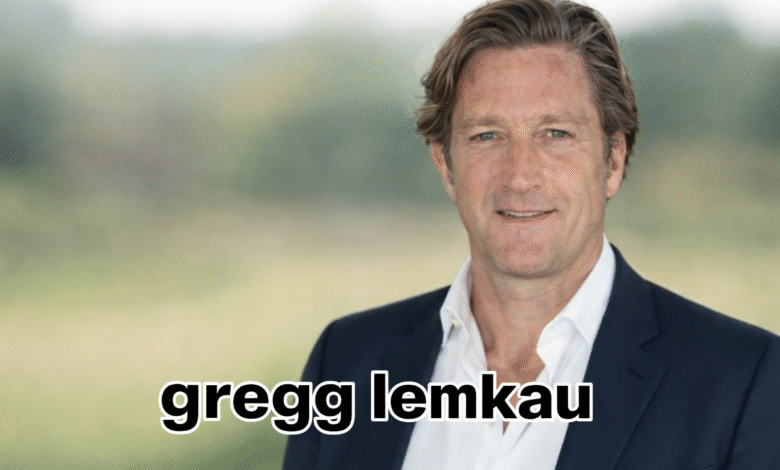
Gregg Lemkau: A Powerful Architect of Modern Investment Banking and Long-Term Capital Leadership

Introduction
Gregg Lemkau stands among the most influential figures in modern global finance. Known for his disciplined leadership style, deep strategic thinking, and ability to navigate complex corporate environments, he has shaped some of the most important investment-banking decisions of the past three decades. His career reflects not only remarkable professional success but also the intense demands and pressures that come with operating at the highest levels of global finance.
At the same time, Gregg Lemkau’s journey highlights a contrast often seen in elite finance careers: extraordinary influence paired with constant scrutiny, long hours, and difficult trade-offs. This balance between achievement and sacrifice defines much of his professional legacy and makes his story compelling for readers interested in leadership, strategy, and long-term capital management.
Quick Bio: Gregg Lemkau
| Detail | Information |
|---|---|
| Full Name | Gregg R. Lemkau |
| Year of Birth | 1969 |
| Birthplace | Boston, Massachusetts, United States |
| Nationality | American |
| Education | B.A. in Government and Economics, Dartmouth College |
| Profession | Investment Banker, Business Executive |
| Known For | Leadership at Goldman Sachs; Co-CEO of BDT & MSD Partners |
| Marital Status | Married |
| Children | Four |
Early Life and Education
Gregg Lemkau was born in Boston, Massachusetts, and spent his early years in an environment shaped by discipline, education, and professional ambition. Growing up in a financially literate household helped cultivate his early interest in economics, governance, and institutional decision-making. These formative experiences played a key role in shaping his analytical mindset and long-term outlook.
He later attended Dartmouth College, where he earned a Bachelor of Arts degree in Government and Economics. During his time at Dartmouth, he balanced academic rigor with athletics, serving as a goalkeeper on the college soccer team. This combination of intellectual training and competitive sport helped build the resilience, teamwork, and strategic thinking that would define his professional life.
Start of Career: Entering High-Pressure Finance
After graduating from Dartmouth in 1991, Gregg Lemkau began his professional journey outside traditional banking, working briefly as a paralegal at a major law firm. This early exposure to legal structures and corporate documentation gave him a strong foundation in deal mechanics and institutional processes.
In 1992, he transitioned into investment banking by joining Goldman Sachs as an analyst. This marked the true beginning of a long and demanding career in one of the world’s most competitive financial institutions. The early years required intense commitment, long working hours, and constant performance pressure, but they also offered unparalleled learning opportunities.
Rise at Goldman Sachs
Gregg Lemkau spent nearly three decades at Goldman Sachs, building one of the most respected careers in global investment banking. Over time, he rose through the ranks to hold senior leadership roles, including Co-Head of Global Mergers and Acquisitions and Co-Head of Global Investment Banking. He also became a member of the firm’s Management Committee, reflecting the trust placed in his judgment and leadership.
While these achievements represented professional triumph, they also came with immense responsibility. Leading global teams, advising major corporations, and navigating volatile markets demanded constant availability and decisive thinking. His tenure illustrates both the prestige and the personal cost of operating at the top of Wall Street.
Strategic Influence and Leadership Style
Gregg Lemkau is widely known for a leadership style that emphasizes long-term thinking, strong relationships, and disciplined execution. Rather than chasing short-term wins, he consistently focused on sustainable value creation and institutional trust. This approach helped him build enduring partnerships with founders, executives, and boards.
However, this style also required patience and restraint, sometimes drawing criticism in fast-moving markets where rapid gains are celebrated. His career shows that principled leadership can be both a strength and a challenge, particularly in environments driven by quarterly performance and intense competition.
Transition to Long-Term Capital Management
After leaving Goldman Sachs in 2020, Gregg Lemkau shifted from traditional investment banking to long-term capital management. He became Chief Executive Officer of MSD Partners, a firm originally established to manage the capital of a prominent technology founder’s family office.
This move represented a significant change in professional focus. While investment banking centers on transactions and advisory work, long-term capital management emphasizes patience, alignment, and enduring partnerships. The transition was widely seen as a strategic evolution rather than a retreat, though it also reduced public visibility compared to his Goldman Sachs years.
Leadership at BDT & MSD Partners
In 2023, MSD Partners merged with BDT & Company to form BDT & MSD Partners. Gregg Lemkau became Co-Chief Executive Officer of the combined firm, sharing leadership responsibilities while guiding strategic direction. The firm focuses on serving family- and founder-led businesses through advisory and investment solutions.
This role allows him to apply decades of experience in a more concentrated and values-driven setting. At the same time, it brings new challenges, including managing complex stakeholder expectations and operating in less transparent markets than public investment banking.
Board Roles and Broader Impact
Beyond executive leadership, Gregg Lemkau has served in numerous board and trustee roles across business, education, and nonprofit organizations. These positions reflect a broader commitment to institutional development and long-term societal impact.
While board service enhances influence and legacy, it also demands careful governance and reputational responsibility. Decisions made at this level can have lasting consequences, reinforcing the weight of leadership beyond financial performance alone.
Legacy and Reputation
Gregg Lemkau’s legacy is defined by consistency, discipline, and strategic depth. He is widely respected for shaping global investment banking practices and later redefining his career around long-term capital and partnership-driven finance.
At the same time, his career highlights the demanding nature of elite finance. The pressure, scrutiny, and personal sacrifices required are inseparable from the success achieved. This dual reality makes his story both inspiring and cautionary for future leaders.
Conclusion
Gregg Lemkau represents a powerful example of modern financial leadership—marked by achievement, influence, and enduring responsibility. His journey from analyst to global banking leader and long-term capital executive illustrates how strategy, resilience, and values can shape a lasting career.
Yet his story also reminds readers that success at the highest levels carries significant demands. The balance between impact and pressure defines not only his career, but the broader world of global finance he helped shape.
Frequently Asked Questions
Who is Gregg Lemkau?
Gregg Lemkau is an American investment banking executive known for senior leadership roles at Goldman Sachs and his current position as Co-CEO of BDT & MSD Partners.
What is Gregg Lemkau known for professionally?
He is best known for leading global mergers and acquisitions and investment banking operations, and for transitioning into long-term capital management.
Where did Gregg Lemkau study?
He earned a Bachelor of Arts in Government and Economics from Dartmouth College.
Is Gregg Lemkau involved in philanthropy or education?
Yes, he has served as a trustee and board member for educational and nonprofit institutions.
What defines Gregg Lemkau’s leadership style?
His leadership style emphasizes long-term thinking, disciplined execution, and relationship-driven strategy.