Introduction
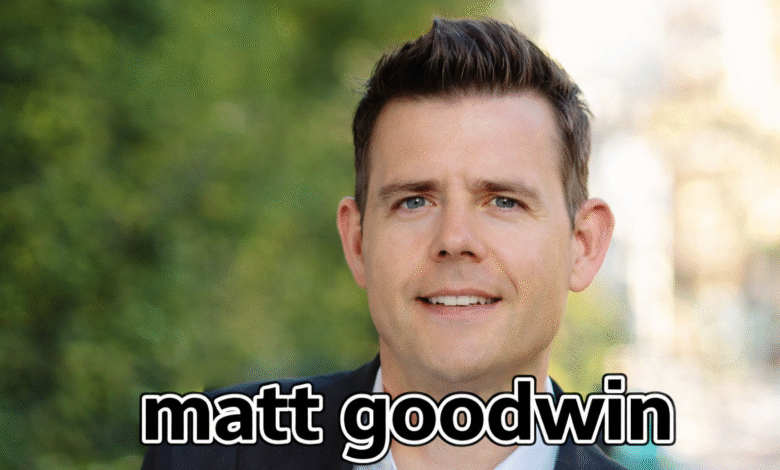
Matt Goodwin is one of the most recognisable political thinkers in contemporary Britain. Known for his sharp analysis, data-driven research, and willingness to challenge dominant narratives, he has played a major role in shaping debates around populism, Brexit, and voter realignment. Supporters see him as a necessary realist who explains uncomfortable truths, while critics argue his interpretations provoke controversy. Both views, however, underline his influence.
Over the past two decades, Matt Goodwin has moved from academic research into the heart of public debate. His work bridges universities, bestselling books, and mainstream media, making complex political trends accessible to a wider audience. This combination of authority and visibility has turned him into a figure who is followed closely by policymakers, journalists, and the public alike.
Quick Bio
| Detail | Information |
|---|---|
| Full Name | Matthew James Goodwin |
| Known As | Matt Goodwin |
| Nationality | British |
| Profession | Political Scientist, Author, Commentator |
| Education | BA (Salford), MA (Western Ontario), PhD (Bath) |
| Known For | Research on populism, Brexit, British politics |
| Major Roles | Professor of Politics, Media Commentator |
| Active Years | 2000s–present |
Early Life and Education
Matt Goodwin was born in December 1981 in the United Kingdom and grew up during a period of major political and social change in Britain. This backdrop of shifting identities, economic restructuring, and debates about Europe would later shape his academic interests. From an early stage, he showed a strong interest in politics, history, and how ordinary voters respond to rapid change.
He pursued his undergraduate studies in politics and contemporary history before continuing with postgraduate education in political science. His doctoral research focused on political behaviour and extremist movements, laying the foundation for his later work on populism and voter realignment. This strong academic grounding gave him both methodological rigour and a long-term perspective on political change.
Start of Career and Academic Path
Matt Goodwin began his professional career as a researcher and lecturer, quickly establishing himself as a serious scholar of British and European politics. His early work examined far-right movements and electoral behaviour, combining quantitative data with sociopolitical analysis. This approach helped distinguish him from more purely theoretical academics.
He later held senior academic positions, including professorship roles, where he taught, supervised research, and published widely. During these years, he became known not only for scholarly output but also for engaging beyond academia. This dual role strengthened his reputation as a political scientist who could speak both to experts and to the wider public.
Books, Research, and Intellectual Contribution
One of Matt Goodwin’s defining achievements is his body of published work. His books on national populism, British politics, and political values reached bestseller status and were widely discussed across media and policy circles. These works argue that large sections of society feel unheard and disconnected from traditional elites.
At the same time, his research has attracted criticism for its tone and conclusions. Some commentators argue that his framing risks legitimising populist narratives, while others praise him for confronting political realities. This tension has become part of his intellectual identity, reinforcing his position as a thinker who provokes debate rather than consensus.
Media Presence and Public Commentary
Beyond academia, Matt Goodwin has become a prominent media commentator. He regularly appears on television and radio, offering analysis on elections, political parties, and social change. His communication style is direct, confident, and designed to resonate with a broad audience.
This visibility has expanded his influence but also intensified scrutiny. Positive coverage highlights his ability to translate data into clear insights, while negative reactions focus on perceived ideological leanings. Regardless of perspective, his media role has made him one of the most recognisable political analysts in the UK.
Business Ventures and Professional Affiliations
In addition to writing and broadcasting, Matt Goodwin has been involved in policy-focused organisations and think-tank work. These roles allow him to apply academic research to real-world decision-making, particularly in areas such as national prosperity, governance, and political trust.
While not a traditional entrepreneur, his professional activities extend beyond the university system. His income streams include book publishing, speaking engagements, media work, and advisory roles. This diversified career reflects a modern model of public intellectual influence.
Career Overview: Achievements and Controversies
Over time, Matt Goodwin’s career has been marked by both recognition and controversy. Awards for academic excellence and bestselling books underline his success, while public criticism demonstrates how polarising his ideas can be. This mix of praise and opposition has kept him central to political debate.
His departure from full-time academia marked a shift toward a more public-facing role. Rather than reducing his impact, this move broadened his reach. He now operates primarily as an author, commentator, and analyst, shaping conversations rather than remaining within institutional boundaries.
Latest Developments and Current Influence
In recent years, Matt Goodwin has continued to publish commentary on British politics, elections, and cultural divides. His focus remains on long-term political realignment rather than short-term headlines. This perspective appeals to audiences seeking deeper explanations of political trends.
He remains active across media platforms and public events, regularly contributing to discussions about democracy, representation, and national identity. His ability to remain relevant across changing political cycles highlights the durability of his core research themes.
Legacy and Long-Term Impact
Matt Goodwin’s legacy is still being formed, but several elements are already clear. He has helped normalise the serious academic study of populism and voter dissatisfaction in Britain. His work has influenced how journalists, scholars, and policymakers talk about political divides.
At the same time, his critics ensure that his ideas are continually challenged. This ongoing debate may ultimately strengthen his legacy, positioning him as a figure who forced difficult conversations into the open. Whether viewed positively or negatively, his impact on modern British political thought is undeniable.
Conclusion
Matt Goodwin stands as a powerful and complex figure in contemporary political analysis. His career combines academic depth, public engagement, and intellectual risk-taking. While his arguments often divide opinion, they also compel attention and discussion.
By connecting data, history, and present-day politics, he has shaped how many understand the forces driving political change. Supporters admire his clarity and courage, critics question his framing, but both sides acknowledge his influence. That combination defines his role in modern British political discourse.
Frequently Asked Questions (FAQ)
Who is Matt Goodwin?
Matt Goodwin is a British political scientist, author, and commentator known for his work on populism, Brexit, and political realignment.
What is Matt Goodwin best known for?
He is best known for bestselling books and research that analyse voter dissatisfaction, national identity, and shifts in British politics.
Is Matt Goodwin an academic or a media figure?
He is both. He built his reputation in academia and later expanded into media commentary and public analysis.
What topics does Matt Goodwin focus on?
His main focus areas include populism, democracy, elections, political values, and long-term political change.
Why is Matt Goodwin considered controversial?
He challenges mainstream political narratives, which attracts strong support from some audiences and criticism from others.