Introduction
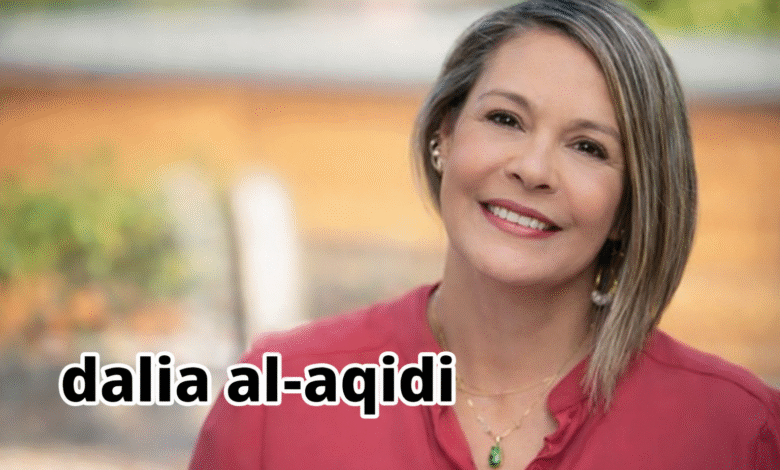
Dalia Al-Aqidi is widely recognized as a journalist, political commentator, and former congressional candidate whose career spans international media and American politics. Her journey from Baghdad to the United States represents a powerful story of resilience, ambition, and outspoken views on global security and political issues. While many admire her courage in confronting extremism and authoritarianism, others criticize her controversial positions in political debates.
Her professional life has been shaped by decades of reporting on Middle Eastern affairs, terrorism, and international relations. Through journalism and policy work, she has attempted to influence public discussions about democracy, freedom of speech, and security challenges. The name Dalia Al-Aqidi often appears in conversations about immigration success stories, media influence, and the evolving role of journalists in politics.
Quick Bio
| Field | Information |
|---|---|
| Full Name | Dalia Fakhry Al-Aqidi |
| Date of Birth | June 1, 1968 |
| Age | 57 (as of 2025) |
| Birthplace | Baghdad, Iraq |
| Nationality | Iraqi-American |
| Profession | Journalist, Political Commentator, Policy Analyst |
| Education | Institute of Fine Arts, Baghdad |
| Known For | International journalism and U.S. congressional campaign |
Early Life in Baghdad
Dalia Al-Aqidi was born in Baghdad, Iraq, during a time when the country’s media landscape was heavily influenced by political authority. Growing up in such an environment meant that journalism was often used as a tool for government messaging rather than independent reporting. This situation shaped her early understanding of the power of media and the importance of freedom of expression.
Despite these restrictions, her exposure to international cultures and media outlets helped spark her interest in journalism. Observing how journalists in other countries openly discussed politics and government policies inspired her to imagine a different path for herself. The idea that media could hold power accountable became a central influence in her future career choices.
Education and Early Interests
Dalia pursued her education at the Institute of Fine Arts in Baghdad, where she studied performing arts. At the time, journalism education in Iraq was closely tied to state propaganda systems. Studying the arts allowed her to avoid working directly within the government-controlled media structure while still developing communication and presentation skills.
Her education played an important role in shaping her public speaking ability and storytelling style. These skills later became valuable in her television journalism career. The experience helped her develop confidence in front of audiences and prepared her for the highly visible roles she would take on later in life.
Moving to the United States
In the early 1990s, Dalia Al-Aqidi left Iraq and eventually settled in the United States. Her move represented a turning point that allowed her to pursue a career in journalism without the constraints she experienced in her home country.
Living in America introduced her to a different political and media environment where public debate and investigative journalism were encouraged. This environment allowed her to explore topics such as terrorism, Middle Eastern geopolitics, and international policy with greater freedom. The transition from Baghdad to the United States also shaped her personal perspective on democracy and political participation.
Journalism Career and Media Influence
Dalia Al-Aqidi built a long career in journalism, working with international media organizations and covering issues related to the Middle East and global security. Over the years she reported on complex geopolitical developments and conflicts that shaped modern international relations.
Her work included television broadcasting and political commentary, where she analyzed events affecting the Middle East and global stability. Through interviews, analysis programs, and investigative reporting, she contributed to public understanding of issues such as extremist movements, regional conflicts, and foreign policy debates.
Areas of Journalism Focus
Throughout her career, several topics became central to her reporting and commentary.
Middle East Politics
Dalia frequently analyzed political developments in the Middle East, discussing how regional power struggles influence global security and diplomacy.
Terrorism and Extremism
Another key theme in her work has been the study of extremist organizations and counter-terrorism strategies. Her commentary often focuses on how governments and international institutions respond to security threats.
International Policy and Security
She has also contributed to discussions about foreign policy, particularly how Western governments interact with Middle Eastern nations. These topics often appear in her public speeches and policy analysis.
Policy Work and Public Commentary
Beyond journalism, Dalia Al-Aqidi has been involved in policy discussions related to national security and counter-extremism. She has participated in think-tank conversations and policy forums where experts analyze global security issues.
Her public commentary often addresses complex political debates involving immigration, terrorism, and international diplomacy. Supporters view her as a strong voice against extremist ideologies, while critics argue that some of her statements have sparked political controversy. Regardless of differing opinions, her willingness to engage in difficult discussions has kept her in the public spotlight.
Entry into American Politics
After many years in journalism and policy analysis, Dalia Al-Aqidi decided to enter American politics. She ran as a Republican candidate for the United States House of Representatives in Minnesota’s 5th Congressional District.
The campaign attracted national attention because it represented a unique political contest involving two candidates with immigrant backgrounds. The election highlighted debates about identity, policy, and political ideology within American politics.
Although she did not win the race, the campaign increased her visibility and demonstrated her willingness to move from media commentary to direct political participation. Running for office also allowed her to present her views on national security, economic issues, and foreign policy to a broader audience.
Public Image and Media Presence
Dalia Al-Aqidi’s public image combines several identities: journalist, commentator, immigrant success story, and political figure. Her outspoken opinions and willingness to address controversial topics have made her both admired and criticized.
Media interviews and public discussions often highlight her perspective as someone who experienced life under authoritarian rule before moving to a democratic society. This background shapes her views on freedom of speech, political accountability, and the role of media in shaping public opinion.
Influence on Political and Media Conversations
Throughout her career, Dalia Al-Aqidi has contributed to conversations about global security, media responsibility, and political engagement. Her reporting and commentary have reached audiences interested in understanding the relationship between Middle Eastern politics and Western policy decisions.
Her story also illustrates how journalists sometimes transition into political roles. By entering the political arena, she joined a growing number of media professionals who attempt to influence policy directly rather than simply reporting on it.
Legacy and Long-Term Impact
The legacy of Dalia Al-Aqidi lies in her efforts to bridge journalism, policy analysis, and political participation. Her career highlights the challenges faced by journalists who speak openly about controversial topics while navigating different cultural and political environments.
For supporters, she represents courage and determination in confronting extremist ideologies and authoritarian systems. For critics, her political views spark debates about the responsibilities of journalists who become political actors. Either way, her journey from Baghdad to American politics continues to attract attention and discussion.
Conclusion
Dalia Al-Aqidi’s life story reflects a powerful journey shaped by migration, journalism, and political ambition. From growing up in a controlled media environment in Iraq to working in international journalism and eventually running for public office in the United States, her path demonstrates how personal experience can influence professional goals.
Her career illustrates both the opportunities and challenges faced by journalists who choose to enter politics. Whether admired or criticized, Dalia Al-Aqidi remains a figure who contributes to ongoing conversations about media freedom, security policy, and the role of immigrants in American political life.
FAQ
Who is Dalia Al-Aqidi?
Dalia Al-Aqidi is an Iraqi-American journalist, political commentator, and former congressional candidate known for reporting on Middle Eastern politics and global security issues.
Where was Dalia Al-Aqidi born?
She was born in Baghdad, Iraq, on June 1, 1968.
What is Dalia Al-Aqidi known for?
She is known for her journalism career, commentary on terrorism and Middle Eastern politics, and her campaign for the U.S. House of Representatives.
Did Dalia Al-Aqidi run for political office?
Yes, she ran as a Republican candidate for Minnesota’s 5th Congressional District in the United States House of Representatives.
What is Dalia Al-Aqidi’s professional background?
Her professional background includes international journalism, television commentary, and policy discussions related to national security and global politics.