Introduction
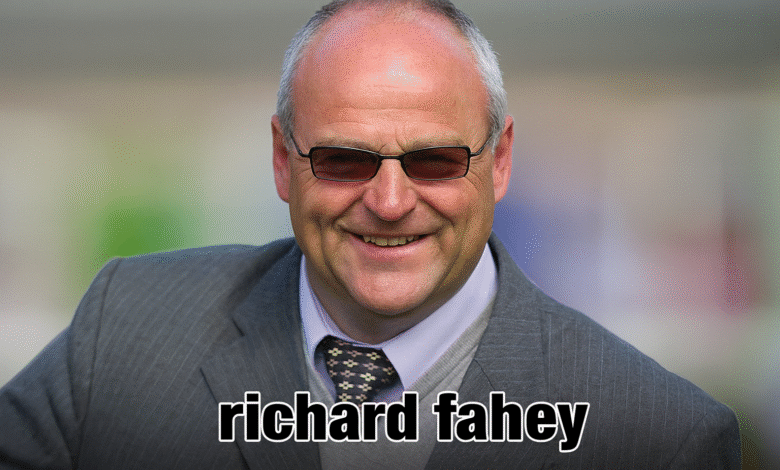
Richard Fahey stands today as one of the most influential and successful figures in British flat racing. Known for his strategic mindset, exceptional training ability, and consistent high-performance record, he has transformed Musley Bank Stables into a powerhouse of winners. His journey from a young rider in Ireland to becoming a leading trainer in Great Britain demonstrates both resilience and strong leadership. While his career is filled with positive achievements, such a competitive industry also brings challenges, pressures, and moments of uncertainty that shaped his evolution.
Fahey’s success story resonates because it is grounded in hard work, teamwork, and a deep understanding of horses. His long list of winners, Group 1 achievements, and constant presence in prominent racing events reflect a legacy built on discipline and passion. At the same time, managing such a large operation requires overcoming hurdles related to staff management, performance expectations, and the unpredictable nature of racing.
Quick Bio
| Detail | Information |
|---|---|
| Full Name | Richard Fahey |
| Date of Birth | February 1966 |
| Nationality | British |
| Birthplace | Nigeria (raised in Ireland) |
| Profession | Racehorse Trainer |
| Career Start | Jockey (1980s), Trainer from 1993 |
| Base | Musley Bank Stables, Malton, North Yorkshire |
| Major Achievements | 3,500+ career winners, multiple Group 1 victories, Royal Ascot wins |
richard fahey Early Life and Background
Richard Fahey was born in February 1966 while his father was working in Nigeria, giving him an international start to life. Soon after, he was raised in Ireland, where his passion for horses began at a young age. His early exposure to ponies and the countryside sparked a fascination that would later evolve into a lifelong career. Growing up in an environment where riding was a natural part of daily life helped him develop confidence, discipline, and an intuitive understanding of animals.
Fahey’s childhood in Ireland shaped his personality and work ethic. Those who know him often describe him as determined, grounded, and driven by experience rather than theory. His love for horses became more serious as he got older, eventually pushing him to pursue a future in the racing world. This early connection laid the foundation for everything he would accomplish in the decades to come.
Becoming a Jockey: The First Step Toward Greatness
At around 18 years old, Fahey moved to England to begin his professional journey in racing. He joined the yard of a respected trainer as a conditional jockey, marking the beginning of his competitive career. Over roughly ten years, he worked across both flat and jumps racing, riding more than 100 winners. This early phase of his professional life gave him firsthand experience of the intense and demanding world of racing.
His time as a jockey was a valuable learning period. Being closely connected to trainers, riders, and stable routines helped him develop a deeper understanding of how racehorses respond to training and management. Even though he later chose to step away from riding, the insights he gained as a jockey allowed him to build a stronger foundation when he eventually transitioned to training.
Transition to Training: A New Chapter Begins
After years in the saddle, Fahey made the courageous decision to shift from being a jockey to focusing entirely on training racehorses. In 1993, he officially obtained his trainer’s licence and began working with a small number of horses. His first winner came the same year at Haydock, marking the start of what would become a remarkable training career.
Initially working from a modest yard, Fahey’s operation grew steadily due to his patience, sharp eye for talent, and keen decision-making. These qualities helped him build trust among owners, many of whom were drawn to his straightforward communication style and consistent results. Over time, he expanded his facilities, improved training methods, and created the structure that would become Musley Bank Stables.
Building Musley Bank Stables
In 2005, Fahey took a significant step by acquiring Musley Bank Stables in Malton, North Yorkshire. This move transformed his career, giving him the space and resources to scale his training operation to new heights. With modern barns, indoor rides, grass and all-weather gallops, the stables became a highly organized and professional environment.
Musley Bank grew into one of the largest and most respected yards in British racing, at times holding more than 200 horses. This impressive expansion came with both opportunities and challenges. On the positive side, Fahey gained the ability to train large numbers of high-quality horses for ambitious owners. However, managing such a big operation also required handling pressure, coordinating staff, and making countless strategic decisions every day.
Career Achievements and Major Milestones
Richard Fahey’s career is filled with outstanding achievements that earned him recognition as one of the best flat trainers in the UK. One of his earliest major successes came in 2010 when he secured his first Group 1 victory with Wootton Bassett. This milestone established him as a trainer capable of competing at the highest level.
In 2015, Fahey equaled the British record for most winners in a calendar year, saddling an impressive 235 winners. This extraordinary accomplishment reflected not only his skill but also the power of teamwork within Musley Bank. Another historic moment came in 2021 when he trained his 3,000th British winner, placing him among a small group of elite trainers.
Some of the top horses associated with Fahey include Ribchester, Perfect Power, Mayson, Garswood, and Sands of Mali. Each of these horses contributed to his legacy by bringing home major victories and strengthening his reputation in the racing world.
Latest Developments and Public Work
Recent updates show that Fahey has now surpassed 3,500 career winners, making him one of the most consistent and successful trainers in modern British racing. He has also been active in charitable causes, participating in events such as long-distance cycling challenges to support jockey welfare. His dedication to giving back to the racing community highlights his leadership beyond the track.
Legacy of Excellence
Richard Fahey’s legacy is defined by excellence, resilience, and continuous growth. From his humble beginnings as a young rider to becoming a world-class trainer, he has left an undeniable mark on the sport. His philosophy emphasizes teamwork, dedication, and developing horses with patience and precision. While the racing world is highly competitive and unpredictable, Fahey’s record shows that consistent hard work leads to long-term success.
Conclusion
Richard Fahey stands as a symbol of determination and mastery within British flat racing. His journey is filled with powerful achievements, steady growth, and a deep passion for the sport. Although he faced challenges throughout his career, he turned each one into an opportunity to grow stronger. Today, Musley Bank Stables continues to reflect his discipline, strategic thinking, and commitment to excellence. His legacy inspires trainers, jockeys, and racing enthusiasts, proving that success comes from dedication, vision, and belief in one’s craft.
FAQ
Who is Richard Fahey?
He is a leading British flat racehorse trainer known for developing Musley Bank Stables into a top-tier racing operation.
When did he start training?
He began his professional training career in 1993 after retiring as a jockey.
Where is his training base?
He is based at Musley Bank Stables in Malton, North Yorkshire.
How many winners has he trained?
He has trained more than 3,500 career winners, including multiple Group 1 champions.
What is he known for?
He is known for his strategic training methods, strong work ethic, and ability to consistently produce top-class racehorses.