henry naylor: A Powerful British Writer Who Turned Sharp Comedy Into Fearless Political Theatre

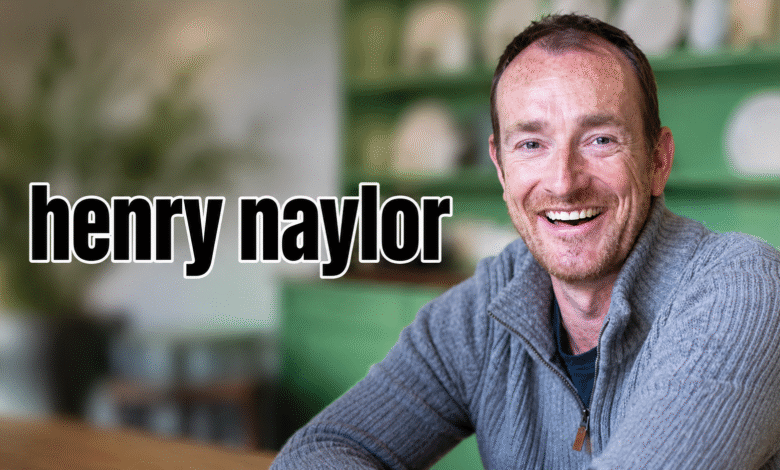
Table of Contents
ToggleIntroduction
Henry Naylor is a British writer, playwright, director, performer, and producer known for his strong journey from mainstream comedy to serious political theatre. He first became visible through satire and broadcast comedy, then developed into a respected dramatist whose plays explore war, media power, colonialism, migration, and human responsibility. His career is powerful because it shows range, courage, and the ability to change creative direction without losing identity.
The positive side of Henry Naylor’s story is that he uses writing to make audiences laugh, think, and question the world around them. The negative side is that many public figures are often surrounded by unverified personal claims online, so this article includes only confirmed public information and avoids unavailable details.
Quick Bio
| Field | Confirmed Information |
|---|---|
| Full Name | Henry James Naylor |
| Profession | Writer, playwright, director, performer, producer |
| Date of Birth | 19 January 1966 |
| Age | 60 years old as of 2026 |
| Birthplace | Bradford, West Yorkshire, England |
| Nationality | British |
| Education | History and History of Art at Downing College, Cambridge |
| Known For | Spitting Image, Headcases, Parsons & Naylor’s Pull-Out Sections, The Collector, Echoes, Angel, Borders, Afghanistan Is Not Funny, Monstering the Rocketman |
| Main Income Sources | Writing, playwriting, directing, performing, producing, publishing, and stage rights |
| Latest Major Work | Monstering the Rocketman |
Henry Naylor Early Life
Henry Naylor was born on 19 January 1966 in Bradford, West Yorkshire, England. His full name is Henry James Naylor, and he is British by nationality. Public information about his early life focuses mainly on his education and career, not on private family details.
His background in England helped shape a creative voice that later became deeply connected with British satire and political storytelling. As a writer, Henry Naylor often looks at power, history, conflict, and public truth. These themes became central to his identity as both a comedy writer and a serious playwright.
Henry Naylor Education
Henry Naylor studied History and History of Art at Downing College, Cambridge. This educational background is important because his later plays often show a deep interest in historical memory, political conflict, colonialism, and moral choices. His academic path gave him strong material for the kind of theatre he would later create.
At Cambridge, Naylor also became involved in revue-style performance and comedy writing. That experience helped him move toward professional entertainment. His career did not begin as a quiet literary path; it began with performance, timing, humour, and the energy of live audiences.
Start of Henry Naylor’s Career
Henry Naylor started his professional career in comedy. He was noticed through university revue work and later entered the world of British television comedy. This early step gave him access to professional writers, performers, and broadcasters, helping him build confidence in fast, sharp, audience-focused writing.
His early work included writing for major British comedy programmes such as Smith & Jones, The Lenny Henry Show, Dead Ringers, and Alistair McGowan’s Big Impression. These credits show that Naylor was not limited to one style of humour. He understood sketch comedy, impersonation, satire, and topical writing.
Henry Naylor Career in Comedy and Television
Henry Naylor became especially known for satire. One of the most important titles connected with his career is Spitting Image, the famous British satirical puppet show. Working in that tradition placed him among writers who used comedy to examine politics, celebrity culture, and public life.
He later became creator and lead writer of Headcases, ITV’s animated satirical comedy series. The programme used computer animation to mock well-known figures from politics, entertainment, and sport. This project showed Naylor’s ability to bring classic satire into a newer visual format.
Radio Work and Parsons & Naylor
Another important chapter in Henry Naylor’s career came through his partnership with Andy Parsons. Together, they created and performed Parsons & Naylor’s Pull-Out Sections, a satirical BBC Radio 2 programme. The show became one of Naylor’s notable radio achievements and strengthened his reputation in broadcast comedy.
Radio gave Naylor a different kind of platform. Without visual effects or stage movement, the writing had to depend on pace, words, voice, and timing. This helped sharpen his skills and prepared him for later theatre work, where language and structure became central to his impact.
Henry Naylor as a Playwright
Henry Naylor later became widely recognised as a playwright. His theatre work is often darker, more serious, and more political than his early comedy, but it still carries the same sharp sense of timing. He uses dramatic stories to examine uncomfortable realities rather than simply entertain.
His major plays include The Collector, Echoes, Angel, Borders, Afghanistan Is Not Funny, and Monstering the Rocketman. These works show a writer interested in global events, personal courage, political pressure, and the human cost of decisions made by powerful institutions.
Major Plays by Henry Naylor
The Collector is one of Henry Naylor’s most important plays. Set in occupied Iraq after the 2003 invasion, it explores brutality, betrayal, and the moral damage caused by war. The play became a major step in Naylor’s move from comedy into serious political drama.
Echoes is another key work. It explores colonialism by drawing parallels between a modern jihadist bride and a Victorian pioneer. This structure shows Naylor’s interest in how history repeats itself and how old forms of power can return in new and dangerous ways.
Arabian Nightmares Trilogy
Henry Naylor’s Arabian Nightmares trilogy is an important part of his theatre identity. The trilogy includes plays that examine conflict, extremism, colonial memory, and the West’s relationship with the Middle East. These works are not simple political speeches; they are human stories placed inside difficult historical situations.
Angel, part of the trilogy, is inspired by the story of the Angel of Kobane. It reflects Naylor’s interest in courage, resistance, and survival in extreme conditions. Through these plays, he became known as a writer willing to face painful subjects directly.
Afghanistan Is Not Funny
Afghanistan Is Not Funny is one of Henry Naylor’s most personal works. It is based on his journey to Afghanistan after 9/11 with photographer Sam Maynard. The play combines humour, memory, fear, politics, and reflection, showing how a comedy writer began asking deeper questions about conflict and responsibility.
This work is important because it marks a shift in Naylor’s creative life. Instead of only using comedy to make people laugh, he began using performance to question war, media stories, and the role of artists in a troubled world. It shows both vulnerability and courage.
Monstering the Rocketman and Latest News
Henry Naylor’s latest major public work is Monstering the Rocketman, a play about Elton John’s legal battle with The Sun. The play became one of the standout productions at the 2025 Edinburgh Festival Fringe and later moved to London’s Arcola Theatre.
The play focuses on tabloid journalism, public shaming, media ethics, and the treatment of Elton John in the 1980s. It is another example of Naylor’s strong interest in truth, power, and public damage. The subject is historical, but its message feels modern because debates about media responsibility are still important today.
Henry Naylor Source of Income
Henry Naylor’s confirmed income sources are connected to his creative career. He earns through writing, playwriting, directing, performing, producing, publishing, and stage rights. His work across television, radio, theatre, and publishing gives him several professional income streams.
His career has been linked with broadcasters, theatres, publishers, and festivals. These include ITV, BBC Radio, Nick Hern Books, the Edinburgh Festival Fringe, and Arcola Theatre. His income is best understood through creative work rather than public business ownership.
Business Ventures and Professional Associations
Henry Naylor is not publicly known for running a major business company. His professional life is connected mainly with creative organisations, theatre productions, broadcasters, and publishers. That makes him more of a career artist and writer than a corporate entrepreneur.
His work has appeared through important creative platforms and institutions. These professional associations helped him reach audiences in television, radio, printed plays, live theatre, and international festival spaces.
Awards and Recognition
Henry Naylor has received strong recognition for his theatre work, especially at the Edinburgh Festival Fringe. The Collector won a Fringe First Award in 2014, and Monstering the Rocketman won a Fringe First Award at the 2025 Edinburgh Festival Fringe.
These awards matter because they show that Naylor’s work has been respected beyond comedy. His success proves that a writer can begin in satire and still develop into a serious political dramatist with emotional depth and international appeal.
Henry Naylor Writing Style
Henry Naylor’s writing style is sharp, direct, and dramatic. His comedy background gives his plays speed and rhythm, while his political subjects give them weight. He often writes about people caught inside systems they cannot fully control, such as war, newspapers, governments, borders, and public opinion.
His work is human because it does not treat politics as distant theory. Instead, it shows how large events affect individual lives. This makes his plays understandable for ordinary audiences while still giving critics and theatre lovers serious ideas to discuss.
Legacy of Henry Naylor
Henry Naylor’s legacy is built on transformation. He moved from mainstream comedy into serious theatre without abandoning the intelligence of satire. That journey makes him an unusual and important figure in modern British writing.
His legacy also comes from the subjects he chooses. He writes about war, journalism, migration, colonialism, and truth. These are difficult themes, but he presents them through strong characters and clear storytelling. That is why his work continues to matter.
Conclusion
Henry Naylor is a British writer, playwright, director, performer, and producer born in Bradford, West Yorkshire, on 19 January 1966. He studied at Downing College, Cambridge, began his career in comedy, became known through satire, and later developed into a respected political playwright.
His most important works include Spitting Image, Headcases, Parsons & Naylor’s Pull-Out Sections, The Collector, Echoes, Angel, Borders, Afghanistan Is Not Funny, and Monstering the Rocketman. His career is powerful because it shows growth, courage, and creative purpose. He proves that writing can entertain people, challenge public thinking, and keep important truths alive.
FAQ
Who is Henry Naylor?
Henry Naylor is a British writer, playwright, director, performer, and producer known for comedy, satire, and political theatre.
What is Henry Naylor’s full name?
His full name is Henry James Naylor.
When was Henry Naylor born?
Henry Naylor was born on 19 January 1966.
Where was Henry Naylor born?
He was born in Bradford, West Yorkshire, England.
What is Henry Naylor famous for?
He is famous for Spitting Image, Headcases, Parsons & Naylor’s Pull-Out Sections, The Collector, Echoes, Angel, Borders, Afghanistan Is Not Funny, and Monstering the Rocketman.
What did Henry Naylor study?
He studied History and History of Art at Downing College, Cambridge.
What is Henry Naylor’s latest major work?
His latest major public work is Monstering the Rocketman, a play about Elton John’s legal battle with The Sun.
What are Henry Naylor’s main income sources?
His main income sources are writing, playwriting, directing, performing, producing, publishing, and stage rights.